About the project
Artist: Tone Bjordam
Nordland County Library had the idea for the Hospitality Symposium, which has now developed into an interdisciplinary project in Nordland County Municipality. The symposium is an international event based on the story of Pietro Querini and the warm meeting he had with the population of Røst The symposium explores the concept of hospitality based on this historical event, and invites conversations about what it means to meet each other with openness, respect, and curiosity.
The event brings together academics, artists, community actors, local residents and the public for lectures, conversations and artistic expression. The goal is to create an inclusive arena for reflection and interdisciplinary collaboration, where hospitality is illuminated from a historical, cultural and contemporary perspective.
The symposium has several purposes: to strengthen libraries as open and democratic meeting places, to contribute to the development of Via Querinissima as a European cultural route, and to highlight hospitality as a value with the power to build community across borders.
The Hospitality Symposium will be held every other year, and the first edition will take place in Bodø and on Røst from June 3 to 5, 2026. The event is part of a larger international collaboration, and in the coming years will travel between different countries and places along Querini's historical itinerary.
Through lectures, conversations, art, music and community, we want to create a space where hospitality is not only discussed – but also practiced.



Nordland County Library is a formal partner in the international collaboration Via Querinissima, and actively participates in the work to have Pietro Querini's journey recognized as a European Cultural Route. This commitment is based on a common foundation of values between the Council of Europe's Cultural Routes program and the Norwegian library system. Cultural routes certified by the Council of Europe shall promote human rights, democracy, cultural diversity and identity, as well as dialogue and mutual exchange across national borders. These principles are fully consistent with the purpose of the Library Act, which states that libraries shall be independent meeting places and arenas for public discussion, and contribute to information, education and cultural activity for all.
It is precisely at this intersection between cultural heritage, knowledge sharing and community that Nordland County Library has found its natural place in Via Querinissima. Through the project, the library wants to contribute to increased knowledge about Norwegian coastal history and cultural heritage, and at the same time develop a library network along the route – both in Norway and internationally – based on the theme of hospitality. This value concept, which is central to Querini’s account, also reflects the role of libraries as inclusive and open knowledge arenas.
The library's contribution to Via Querinissima is expressed through several initiatives. Work is underway to develop a traveling exhibition with historical maps and source material in collaboration with the National Library. Querini Days are organized at public libraries in Nordland, and the county library has taken the initiative for the Hospitality Symposium – an interdisciplinary meeting place for reflection and conversation about culture, community and values. In addition, the county library has distributed Querini's account to all public libraries in Nordland, so that the story is available to the public throughout the county.
Through this work, Nordland County Library shows how libraries can be active players in European cultural cooperation, and how historical narratives can be used to strengthen democratic participation, cultural awareness and international understanding – in line with both national and European values.
"Can one be adventurous or hospitable without being open to new thoughts, feelings, or experiences? Can one even meet a person as an equal if one rejects their entire cultural background? Exploration, whether it concerns new countries, new cultures, or new people, is the mirror image of hospitality. Both require one to open oneself to the fact that the world, both internal and external, is larger than one knew. This understanding laid the foundation for the many centuries of close contact between Venice and Røst "Pietro Querini's journey never ended, it continues to this day, with the exchange of history, food, language, research and culture. The Hospitality Symposium is an exploration of ways of meeting, whether one is the one who travels or the one who receives."
Christian Torset, philosopher



Via Querinissima
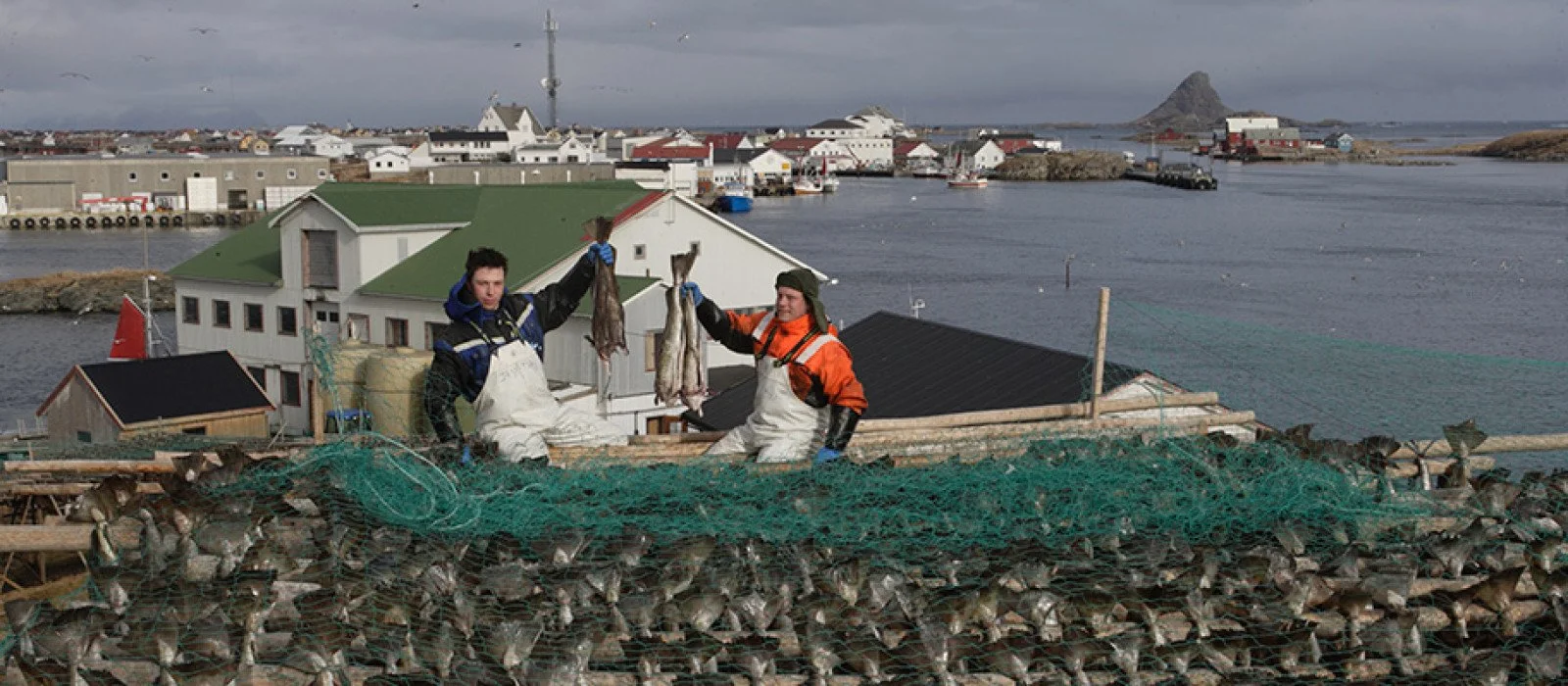
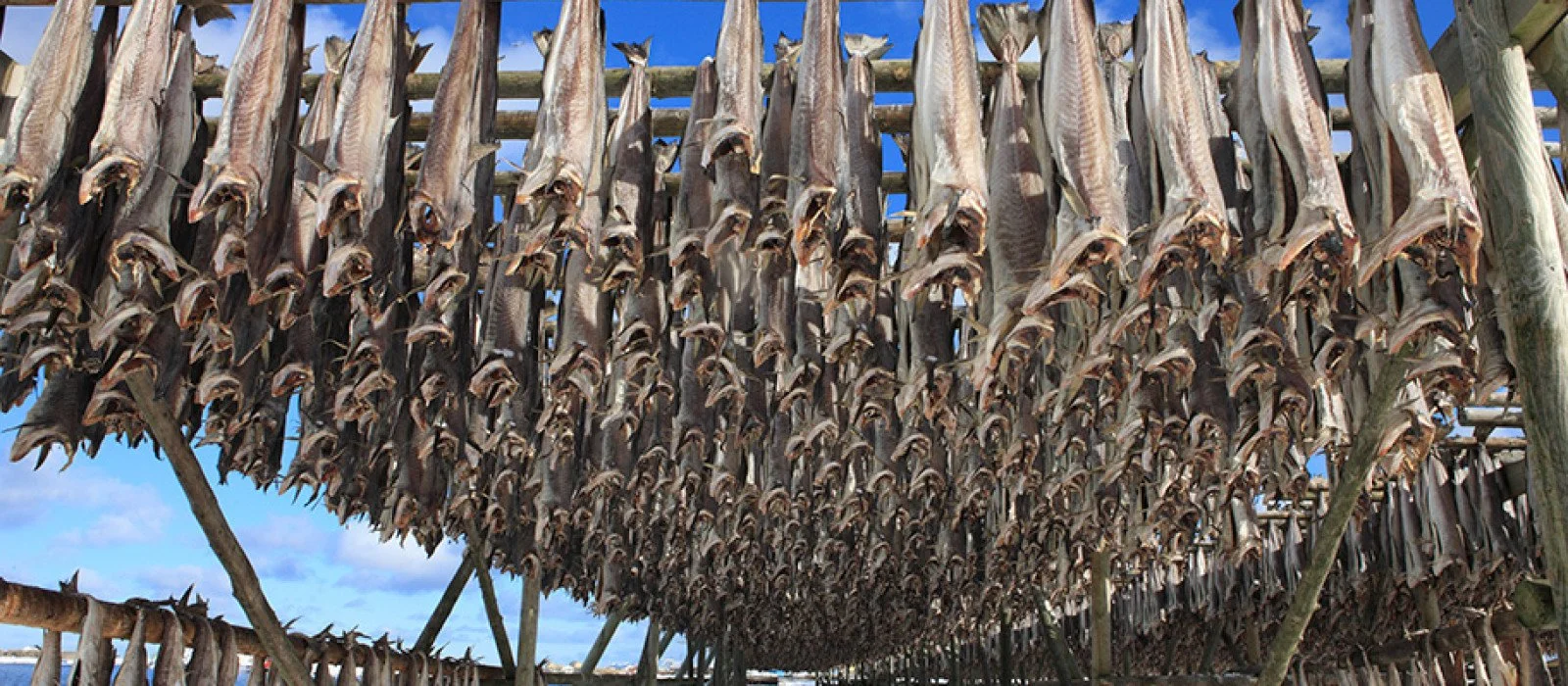
Via Querinissima is an international initiative that has grown out of Pietro Querini's journey and account. In 2022, the international cultural association Via Querinissima was established with the aim of having this historic journey recognized as a European Cultural Route by the Council of Europe. The route follows Querini's journey from Crete to Røst and on to Venice, highlighting the connections between the north and south of Europe through shared history, landscape and cultural traditions.
The itinerary connects locations in Greece, Italy, France, Spain, Portugal, the United Kingdom and Norway, and includes coastal towns, historic ports and cultural institutions. Through this route, a story of survival, hospitality and cultural exchange is conveyed – values that are central to both Querini’s account and modern collaboration.
The Via Querinissima association currently consists of members from a number of European countries and represents a diversity of actors, from cultural institutions and educational environments to municipalities, counties, tourist organizations and local communities. The association works to strengthen the understanding of our common European heritage and promote values such as dialogue, respect and cultural exchange. At the same time, it emphasizes sustainable and regenerative forms of tourism, where consideration for the environment and local roots go hand in hand with the dissemination of a common European identity.