
Contributors
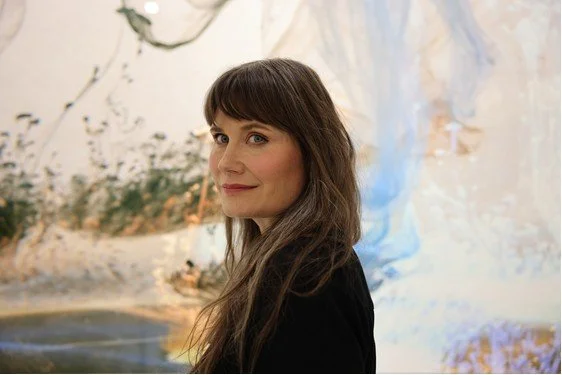
Tone Bjordam
Graduated from the Oslo Academy of Fine Arts, she works in a wide range of media, including video, performance, photography, drawing, painting, soundscapes and sculptural installations. In her artistic practice, she explores transformations in nature, societal changes and human inner processes – with particular emphasis on geological, climatic and biological processes. Through studies of forms, patterns and processes in nature, both from a micro and macro perspective, she develops an expression that is both distinctive and deeply rooted in ecological and visual contexts.
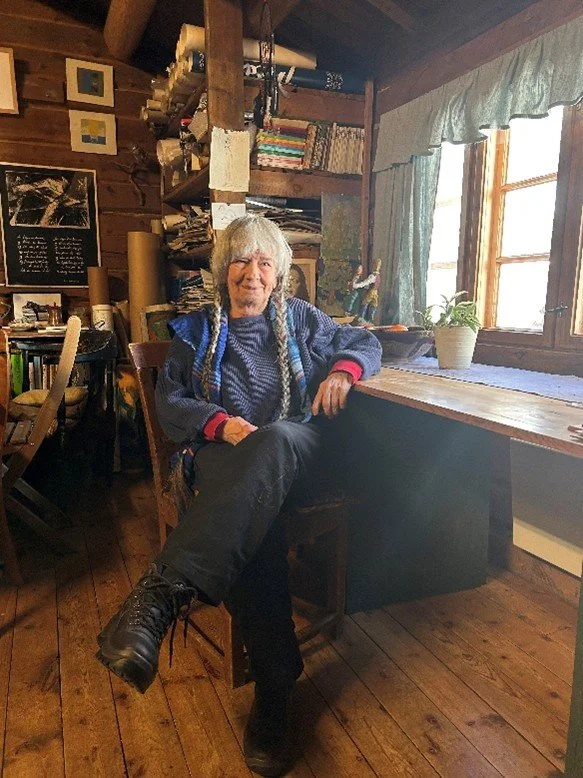
Kajsa Zetterquist
Kajsa Zetterquist is a Swedish-Norwegian visual artist with deep roots in the nature and culture of northern Norway. Through a long artistic career together with her life partner Per Adde, she has been a supporting figure in Nordland and Northern Norway art life – and still is to this day. Their shared commitment to nature conservation, animals, Sami culture and Sami rights and, not least, artistic freedom has left lasting traces – not as memories, but as living impulses in the landscape and art.
Anja Kath Lande, curator at Adde Zetterquist Art Gallery, has worked closely with Zetterquist for several years. She has been a key communicator of the couple's artistic legacy, including through memorial exhibitions and curatorial projects that continue their life's work with care and insight.
In this artist talk, Zetterquist and Lande meet for a conversation about how art can open paths towards community across time, place and experience, as a language that both protects and challenges, connects and changes.
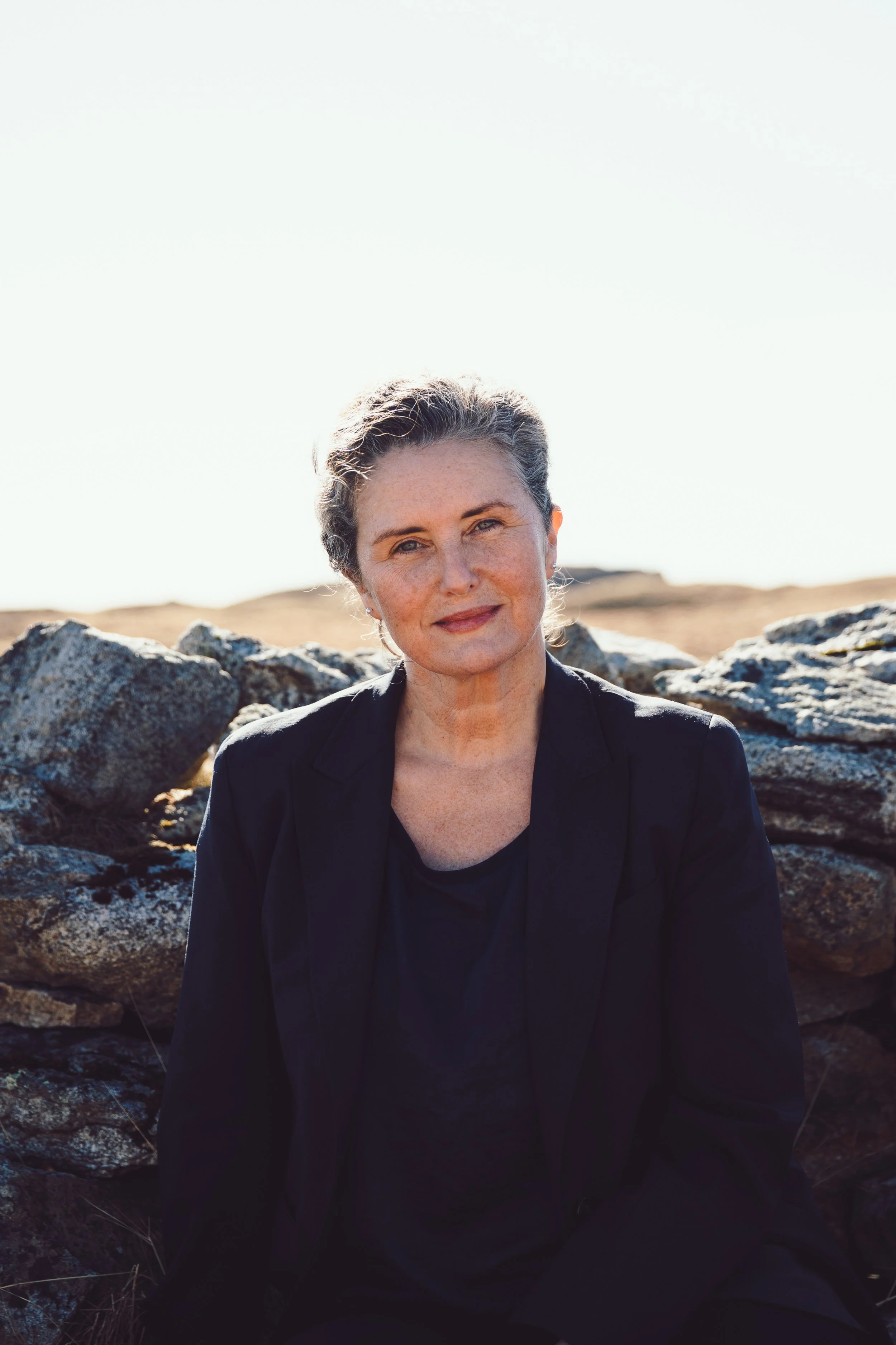
Hildegunn Pettersen
Hildegunn is an opera singer and artist who has chosen to move back to her childhood island, after many years in the capital, and she will be found on stage, where she specializes in communicating local history through song and music. Hildegunn is hosting the stay at Røst , where she will be responsible for organizing all the activities on Røst from our arrival to our departure. She will also tell about Røst history both through a tour of the island and other features.
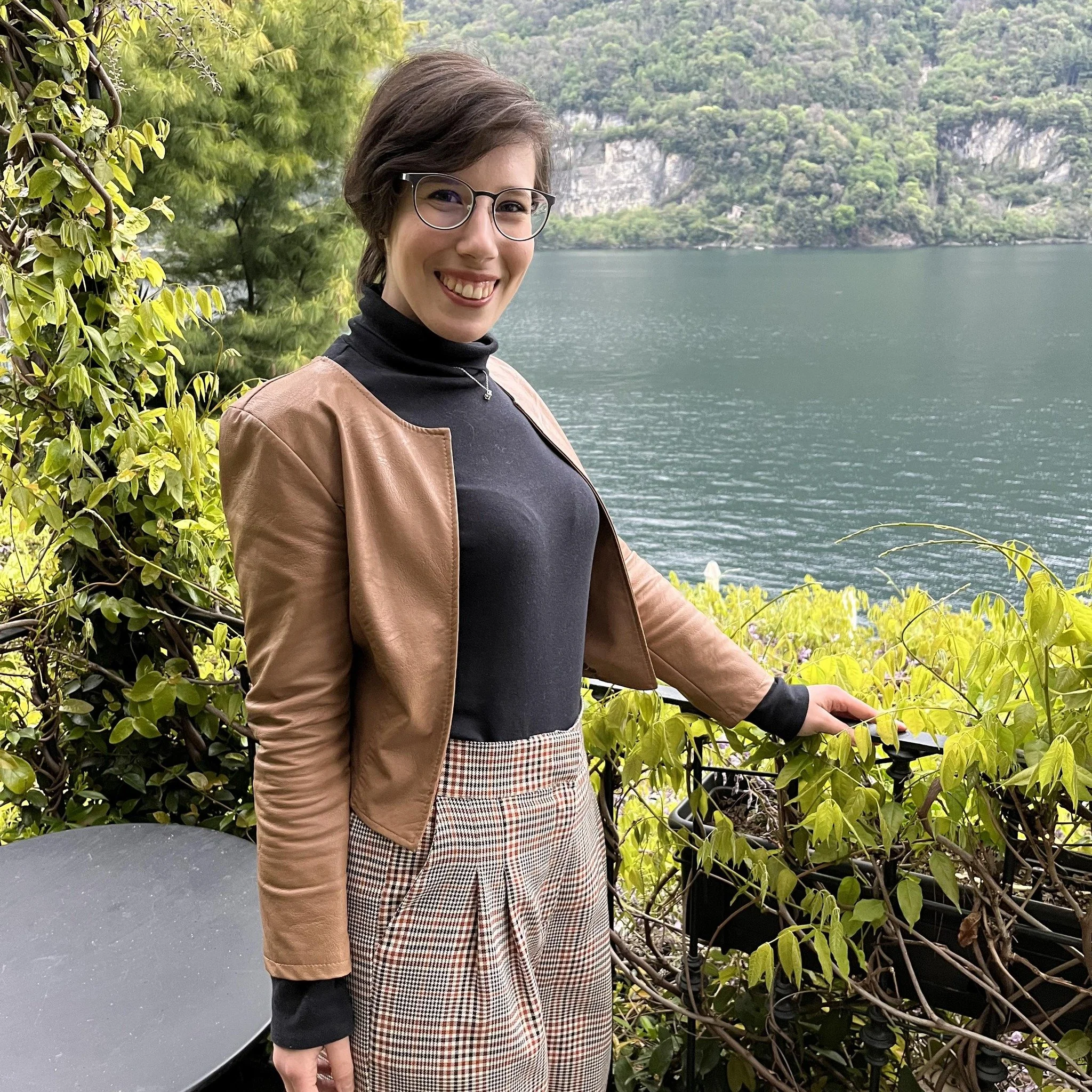
Marzia Liuzza
Marzia Liuzza is a PhD candidate in historical, geographical and anthropological studies at the University of Padova and Ca' Foscari University of Venice. Her research focuses on sustainable tourism, community-based tourism, participatory heritage management, and how cultural institutions can foster dialogue between places, people and identities. She explores how tourism can become a tool for cultural exchange, local development and the protection of both tangible and intangible cultural heritage.
She leads a research project on the cultural itinerary Via Querinissima, with Røst as a pilot area. In addition, she is responsible for the communication work in the Via Querinissima International Cultural Association where she works as a communications advisor. Here, she combines expertise in cultural routes and tourism research with professional communication to strengthen the visibility and understanding of the Via Querinissima Cultural Route.
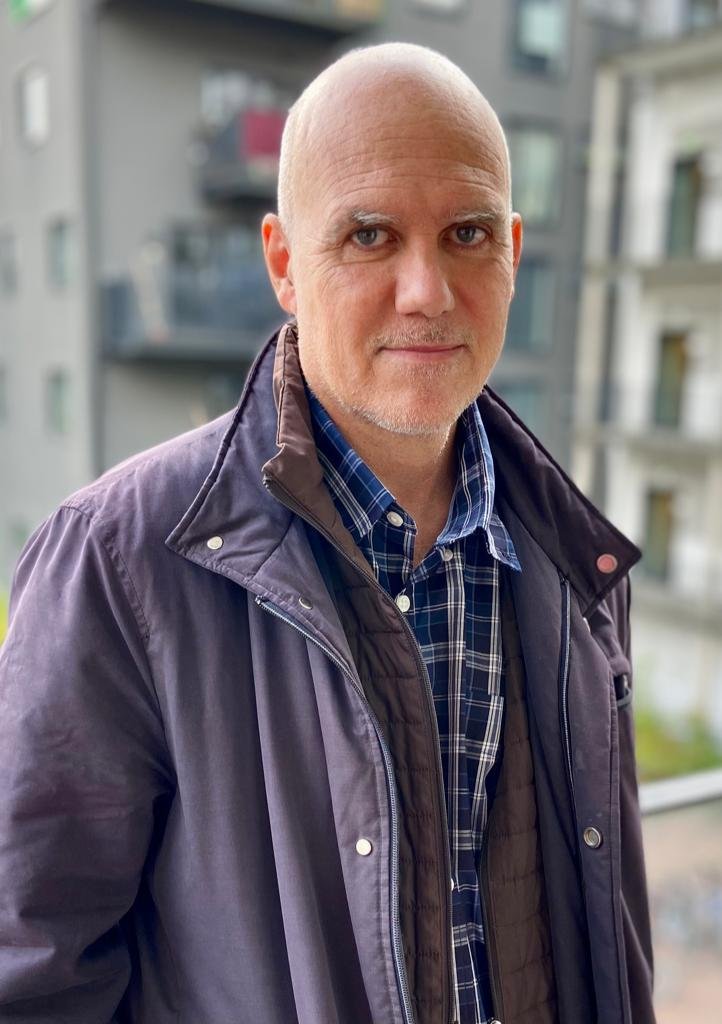
Stefano Agnoletto
Stefano Agnoletto is a historian and economist with two doctorates from IUN University in Naples and Kingston University in London. He has worked as a researcher, coordinator and lecturer at academic institutions and public and private organizations in Europe and North America, and has published over a hundred scientific articles and several monographs. Since 2022, he has been the project manager for Nordland County Municipality in the Via Querinissima project, as well as the head of the scientific committee and a member of the international team of the Via Querinissima International Association.
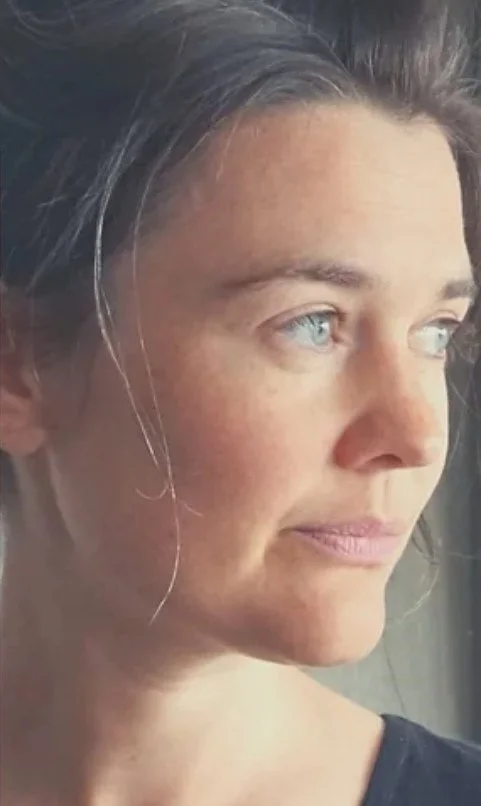
Sara Bruteig Olsen
Sara Bruteig Olsen has created and is performing in the performance “Q”. The performance Q(uerini) revolves around how movement happens, whether we want it to or not. Sometimes invisible, other times very visible, and palpable, as in a crisis.
Q(uerini) is the story of movement. Of course the obvious one - the journey you embark on. But also the one you get, which you don't choose - the world that moves you.
Movement is value-neutral, it can lead to both desired and unwanted places, both adventure and shipwreck, both solitude and community. It depends on what you put into it.
Q(uerini) is the story of some people who chose to fight to survive, and a people who chose to help others.
Q(uerini) is also the story of a people free from xenophobia, or fear of the other. What is hospitality, if not opening up to the other, which the movement demands?
It takes a certain kind of courage to be in motion.
Both to embark on a journey in unpredictable waters
and to welcome travelers from unknown waters.
Maybe these people meet in this courage?
Because what if it had been different?
That we never set out on journeys. That we never accepted what was not invited.
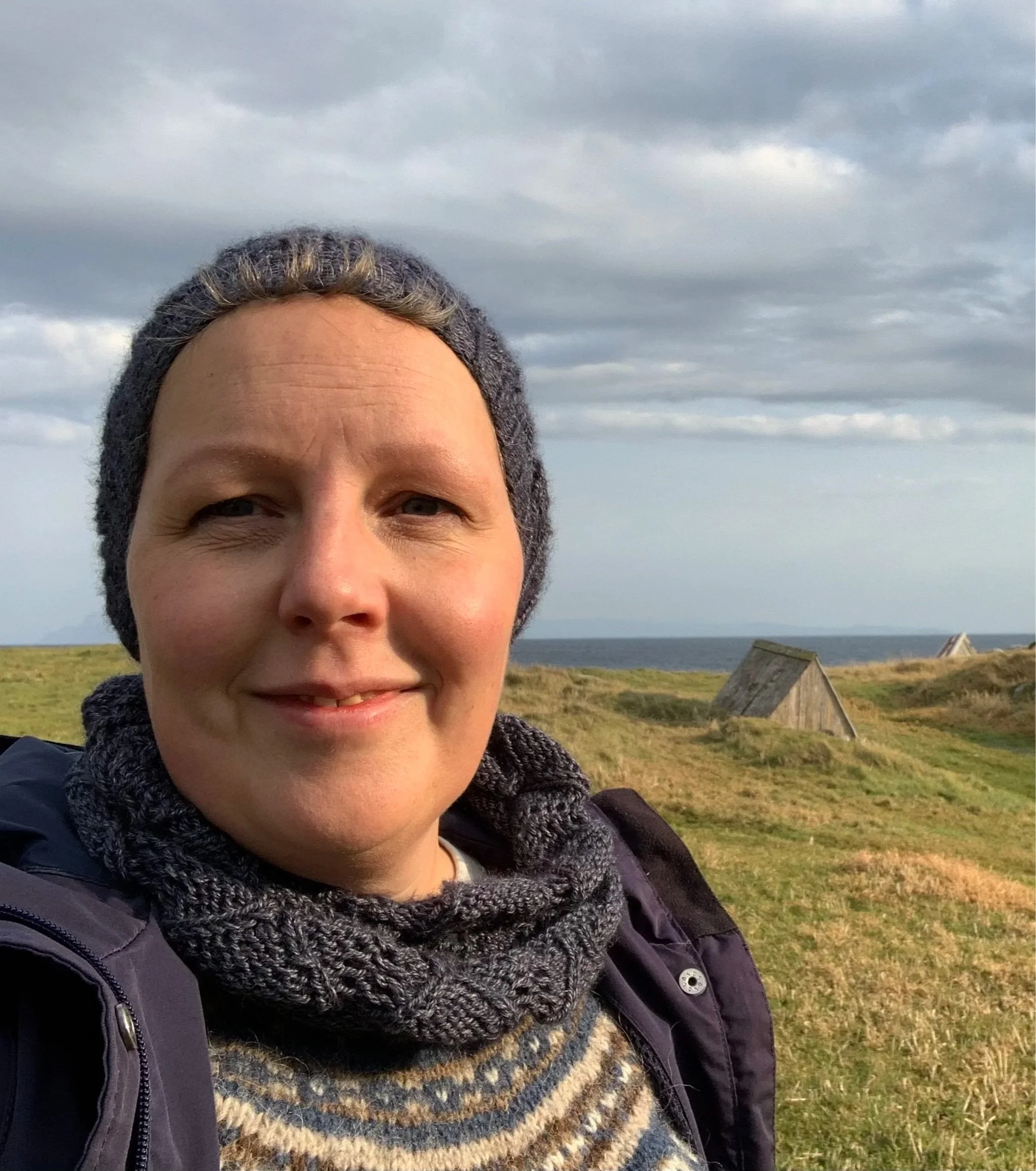
Erika Søfting
Ethnologist
Erika Søfting is an ethnologist and works at the Nordlandsmuseet. Here she has worked extensively with the cultural history of northern Norway, and especially with coastal culture and trade history, in addition to museum development. She has, among other things, been manager at Kjerringøy Handelssted, and project manager for the development of Jektefartsmuseet and the exhibition there. She is now head of research and collections in the museum's departments in Bodø, Gildeskål and Meløy.
Coastal culture and trade have provided contact and connections between the North and the world for hundreds of years. The sea was a highway, not an obstacle, and people on the coast had much contact with other parts of the country, and people from other countries and cultures.
In her presentation, she will show how hospitality has been important in meetings and contact during the time of the dinghy voyage and at northern Norwegian trading posts. How were "strangers" greeted when they traveled north? What contact did northerners have on dinghy voyages and trading posts south and out into the world? How were they connected with Europe?
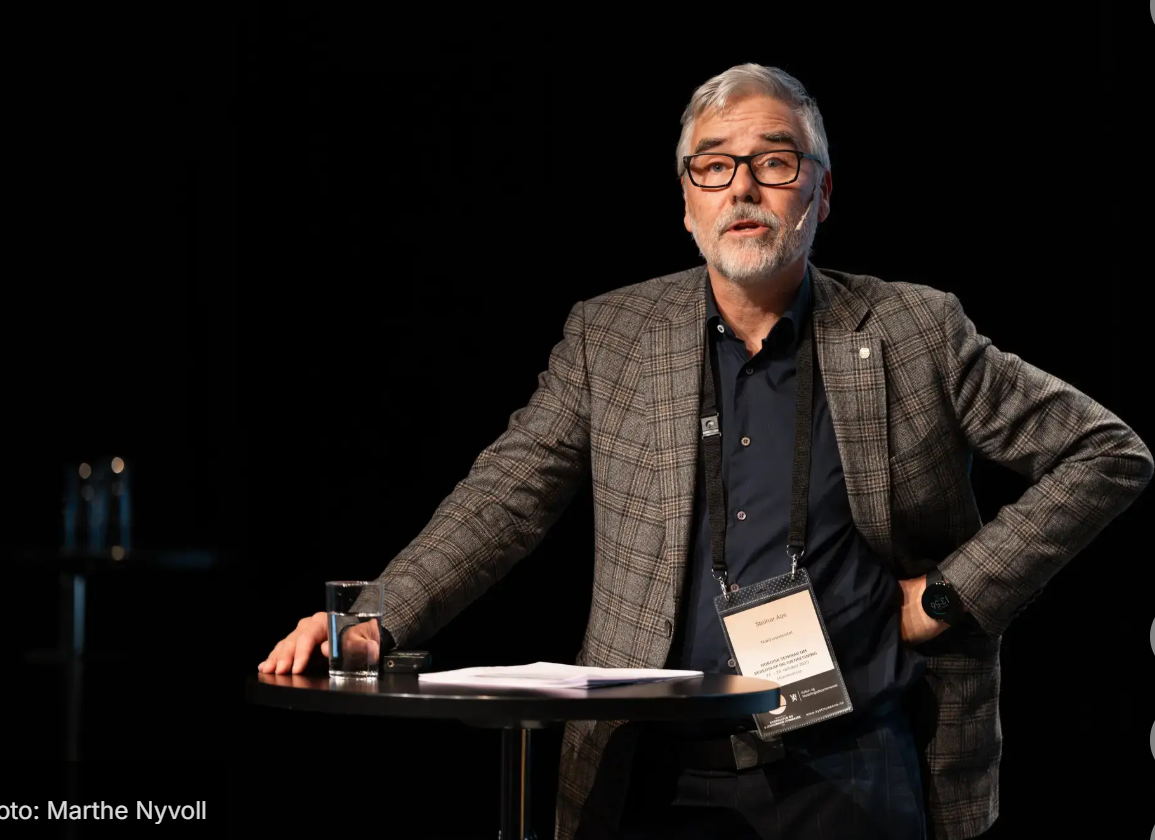
Steinar Aas
Steinar Aas, professor of modern history. Has worked on a number of topics within northern Norwegian history. Has written the history of Narvik for the period 1890 - 1950 and the history of Bodø for the same period. He has also worked on a number of topics related to the rise of the labor movement, on identity production, regionalism, press history and memory politics and the use of history.
Elin Golten
Elin Golten is head of library development in Vestland County Municipality. She has a Ph.D in library and information science from OsloMet. The topic of her thesis is public libraries as social and democratic arenas in a digital age. Elin is a member of the Public Library Section of IFLA (International Federation of Library Associations and Institutions), where she participates in a group that works on public libraries and democracy in a global perspective.
Andreas Liebe Subset
Andreas Liebe Delsett is a Norwegian author and food writer born and raised in Bodø. He currently lives in Oslo, where he has previously worked at the Norwegian House of Literature and as a political advisor to the Storting. He is the author of four books about food, politics and social issues.
About his debut book, The Kitchen Road, Halvar Ellingsen (Kvitnes Gård) has said that “no one has ever been able to describe so well what it is like to be a chef.” In the 2023 documentary Living the Sea , Delsett explores the epic battle between oil and fish in Lofoten, Vesterålen and Senja.
This year he is currently working on Cape of Good Hope. A journey in South Africa after apartheid . Delsett also writes at irregular intervals for, among others, Morgenbladet, Aftenposten and Vinduet, and he is behind the newsletter Magens politikk ( www.magenspolitikk.no ).
Dorte Eide
Dorthe Eide is Professor of Organization and Management at Nord University Business School (HHN), campus Bodø, Norway. She holds a Doctor Polit degree from UiT – The Arctic University of Norway, where she studied knowing, learning and innovation in small and medium-sized hotels (SMEs) through practice-based approaches. Her research includes different approaches to innovation, experience design, value creation through co-creation, sustainability and regenerative themes. Experience-based sectors within culture, nature and food are the main contexts, approached from multi-actor and multi-level perspectives. Qualitative and participatory approaches are the preferred methodology.
She has led and worked in several research and innovation projects, been involved in boards, and taught and supervised at all levels of study.
Ann Heidi Hansen
Ann Heidi Hansen is currently Senior Advisor in Tourism at Nordland County Council. She recently served as Project Manager for a five-year, groundbreaking pilot project on responsible visitor management (2018–2022) in Nordland County Council—an initiative that was firmly rooted both politically and administratively.
Prior to this, Ann Heidi worked for 25 years on various development projects within tourism at a regional level. One example is her role as administrator for the national industry cluster project Arena Innovative Experiences (2008–2012), which aimed to strengthen the quality of customer experiences in the tourism industry.
She holds a PhD in Tourism (2010–2014), with a research focus on understanding the tourist experience. Her doctoral thesis, “Memorable moments – Consumer immersion in nature-based tourist experiences” , was conducted as part of the Northern Insight research project (2009–2017).
Before taking up her current position, Ann Heidi worked as Brand Manager at NordNorsk Reiseliv (2014–2017), where she led the development of a new generation brand strategy based on the principles of experience economy and experience-based value creation. During the same period, she contributed to a national research and development project that developed and tested a national certification system for nature-based adventure tourism in Norway (2014–2017).
Ann Heidi was appointed as a member of the government's public committee for destination development and visitor management. The committee was tasked with assessing the framework conditions that municipalities have for handling tourism, and the NOU was handed over to the Minister of Trade, Industry and Industry in March 2023.
Nordland County is the first in Norway to integrate a regenerative perspective into its regional tourism strategy. Ann Heidi looks forward to sharing why and how the county has chosen this approach, which involves a shift in destination development – from volume to value – through bottom-up initiatives.
Benedicte Gamborg Briså
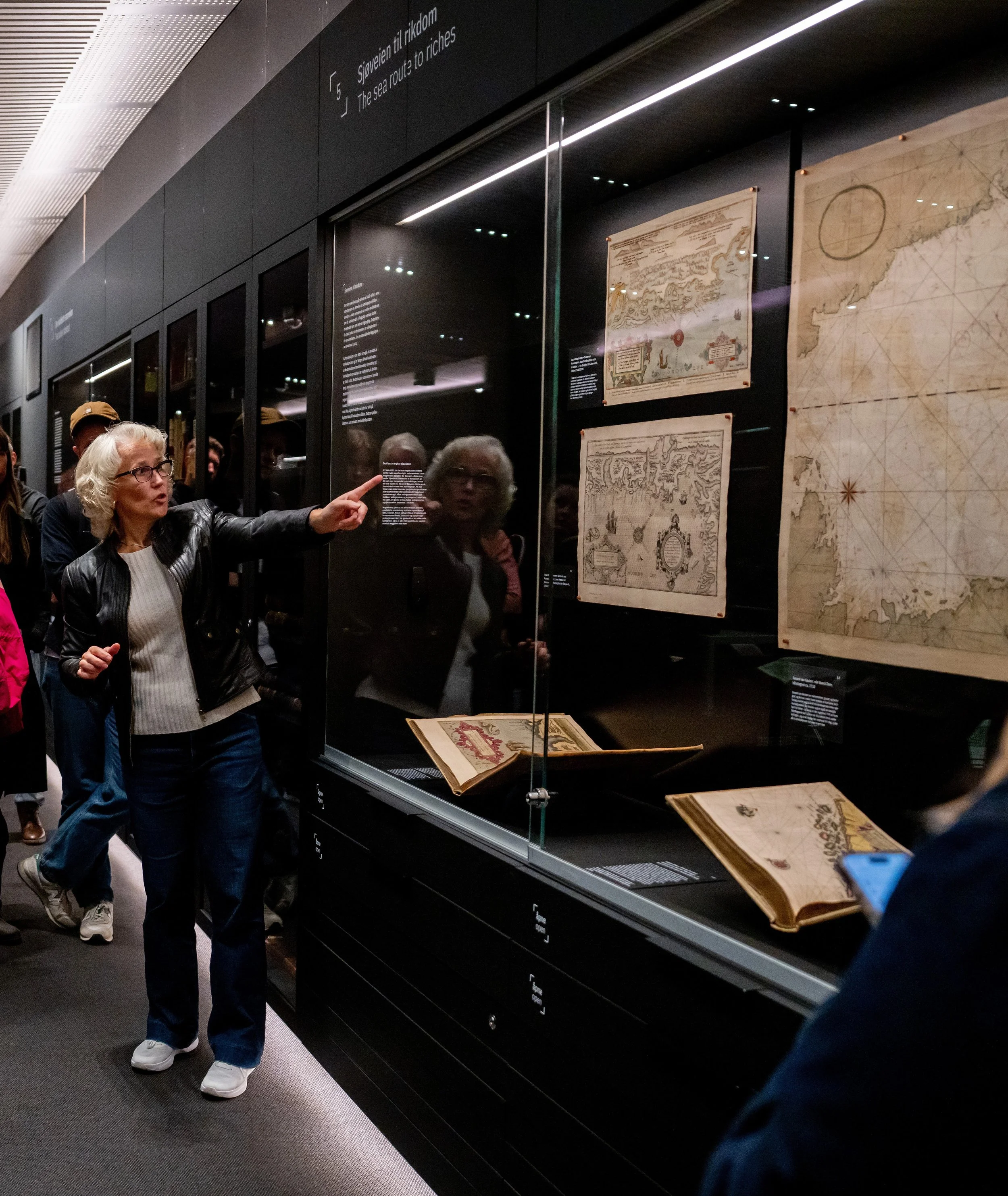
Benedicte Gamborg Briså is a map historian and researcher III at the National Library in Oslo, responsible for the institution's map collection. The collection comprises around 150,000 maps and atlases, ranging from the oldest printed maps from the late 15th century to maps produced as recently as last year.
The work is also linked to the National Library's Map Center, which was established in 2019. The Map Center has developed into a central arena for research, dissemination and public-oriented activities in geography, maps and map history. In the map center's exhibition From the Far East. Printed maps of Norway and the highlands 1482–1845 , activity is high, with researchers, students, school classes and a wide audience visiting and taking tours.
Old maps are a rich source of knowledge history. They provide insight into what people before us believed and knew about the world, and how they imagined it. Dissemination of maps as historical knowledge bearers is central to her work, with particular emphasis on the early cartographic history of Norway and the highlands.
Xavier Sala Bufill
Xavier Sala Bufill is a project manager and works at the intersection of food systems, gastronomy and place, with a particular focus on how regenerative practices can be translated into real economic and cultural value.
He is the co-founder and president of CoCo Sapiens, a non-profit initiative that develops tools to help consumers understand the actual environmental, social and nutritional impact of food, beyond the fragmentation that characterizes today's labels and certification schemes. The project is part of the EIT Food ecosystem and has been recognized as a good example within Spain's National Food Strategy.
With a background in professional gastronomy and international project development, including in his role as general manager of JRE Spain (Jeunes Restaurateurs d'Europe), Xavier brings a practical perspective on how restaurants and the hospitality industry can function as active players in the connection between regenerative food production, local economies and consumer behavior.
Stine Quigstad Jenvin
Stine Qvigstad Jenvin was born and raised in Bodø. She holds a major in general literature from the University of Tromsø. Stine has previously been the county director of culture and the county library director in Finnmark County Municipality, and the county director of Nordland County Municipality.
Since 2022, Stine has been the leader of Stormen bibliotek , a library with around 400,000 visitors annually. Stormen bibliotek has the initiatives Unge Stormen, Stormen Gaming Junior, Stormen Sami Center and Stormen art/dájdda, in addition to running the library in Bodø Prison. Stormen bibliotek is popular with the city's residents and visitors, and has between 600 and 700 events and activities annually. This is possible through extensive collaboration with external partners, such as NRK Nordland, Nord University, the Red Cross, Save the Children, Nordland Hospital, Slekt og data, authors and publishers, Filmklubben, Nordland County Library, the Sami Parliament, history clubs, etc., in addition to the library's focus on children and young people.
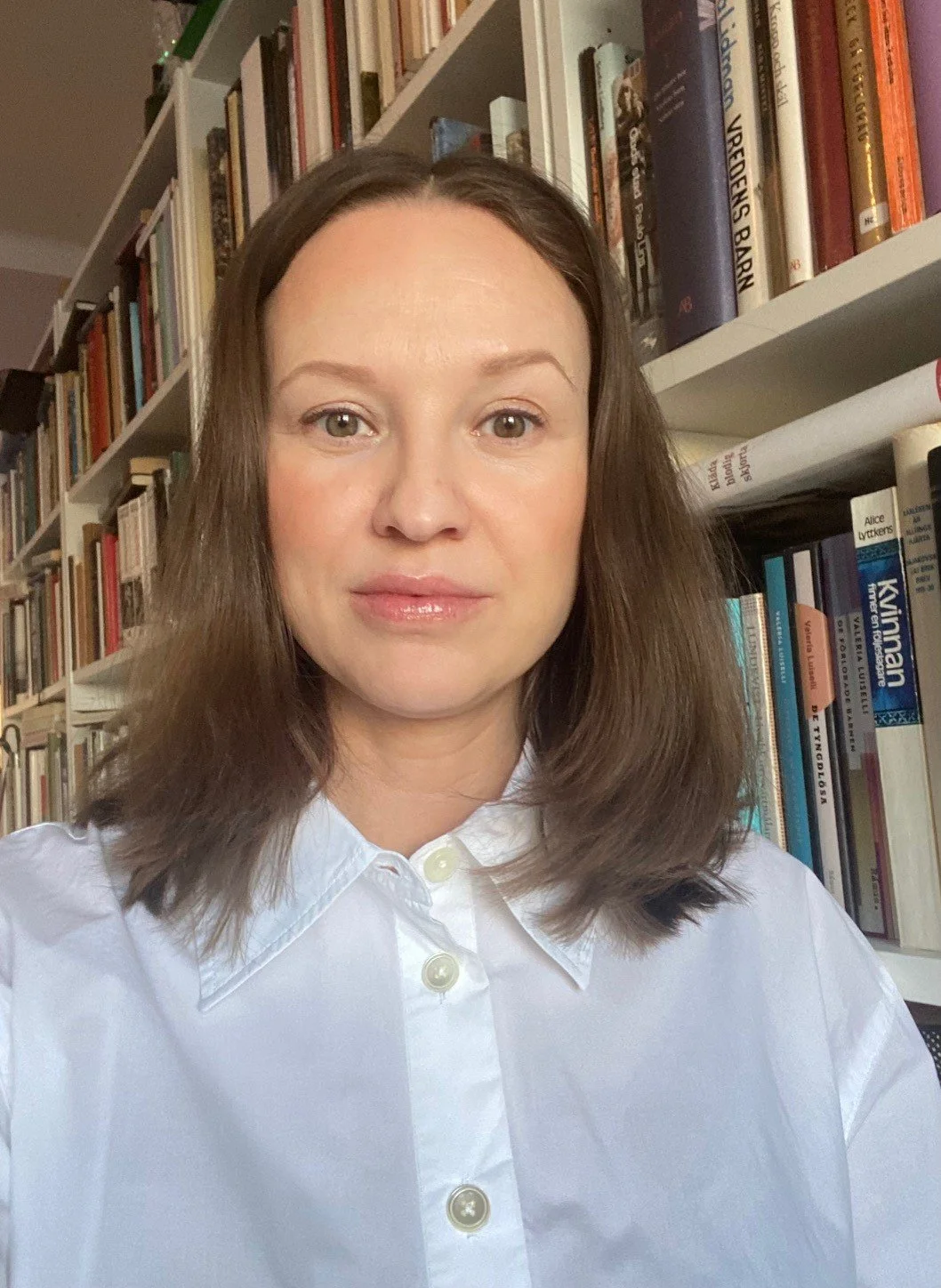
Eva Fred
works as a consultant in the area of literature at the Library and Literature unit in the cultural administration in the Västra Götaland region.
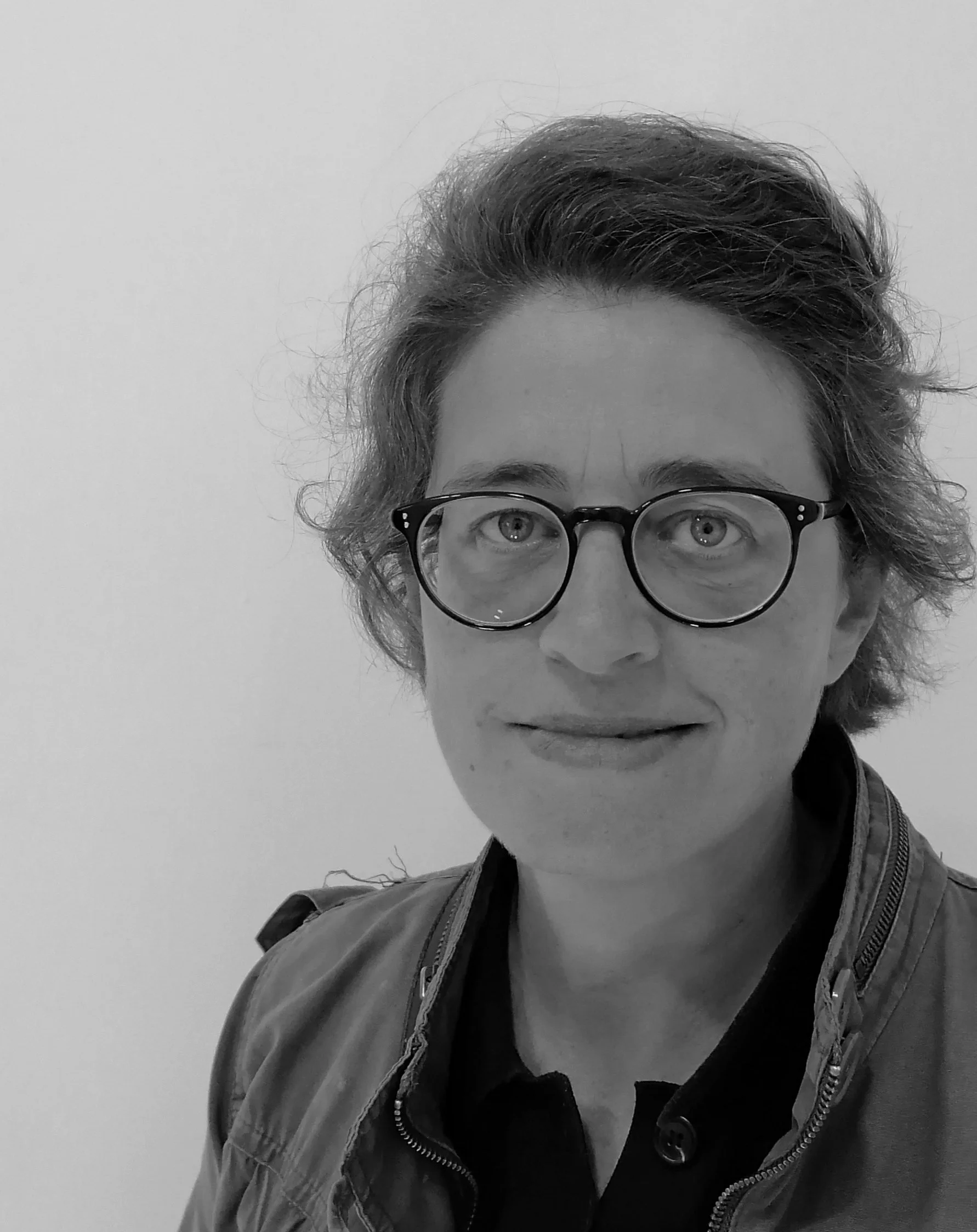
Therese Ytter
works as a consultant in the area of literature at the Library and Literature unit in the cultural administration in the Västra Götaland region.
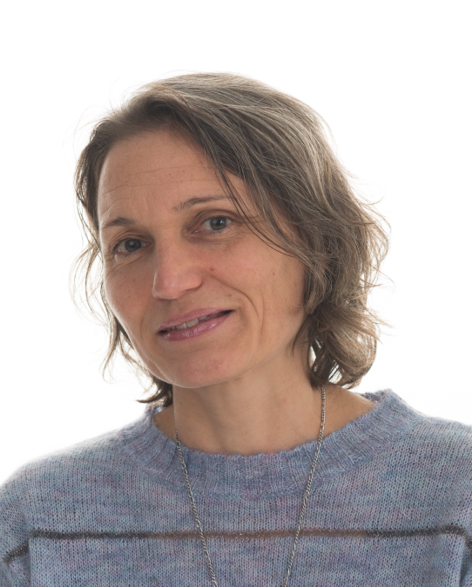
Claire Judde de Larivière
Claire Judde de Larivière is Professor of Medieval History at the University of Toulouse. Her research focuses on the social and political life of the inhabitants of Venice and the Venetian Lagoon in the late Middle Ages and the Renaissance. She has published a number of articles and books on this topic, including The Revolt of Snowballs. Murano confronts Venice, 1511 (Routledge, 2018) and Avviso al popolo! Vite veneziane del Cinquecento (Wetlands, 2025).
Her early works were focused on international shipping and trade. In 2005 she translated Pietro Querini's account into French ( Naufragés , Anacharsis), and also contributed to the Italian translation ( Il naufragio della Querina , translated by Paolo Nelli, Nutrimenti, 2007).
For this translation, she used two Venetian manuscripts as sources: the account written by Pietro Querini (kept in the Biblioteca Apostolica Vaticana in Rome) and the account dictated by the sailors Nicolò de Michiel and Cristoforo Fioravante (kept in the Biblioteca Nazionale Marciana in Venice).
Randi Lise Davenport
Professor of Spanish Literature
UiT The Arctic University of Norway
Randi Lise Davenport is Professor of Spanish Literature at the Department of Language and Culture at UiT The Arctic University of Norway in Tromsø. She holds a Cand.philol. degree in the history of ideas and a PhD in Spanish literature from the University of Oslo. Since 2009, she has taught and conducted research in these fields at UiT.
Davenport specializes in early modern Spanish literature, particularly the works of Cervantes. She has held research residencies at the Universidad de Navarra in Pamplona, at the Escuela de Estudios Hispano-Americanos/Universidad de Sevilla in Seville, and at the Universidad Complutense in Madrid.
In 2017, she organized an international Cervantes conference on his latest novel, Los trabajos de Persiles y Sigismunda, historia septentrional (The Trials of Persiles and Sigismunda, A Northern Story (printed translation, 1989); The Perils of Persiles and Sigismunda, A Northern Saga (electronic edition, 2023)). The conference brought together about 80 Cervantes scholars for a fruitful exchange of ideas at UiT in Tromsø. Davenport's contribution to the conference examined Querini's account as a possible source text for Cervantes' knowledge of the highlands. Over the past couple of years, she has continued to explore this topic, and will present further findings from her research at the Hospitality Symposium. She is also the editor of a special issue on Querini and Røst in Ottar , the University of Tromsø's communication magazine, which will soon be published.
Since 2018, Davenport has been an elected board member of the International Cervantes Association (Asociación de Cervantistas).