
The story of Querini
In December 1431, the Venetian merchant Pietro Querini set out on a sea voyage from Crete to Flanders. En route, his ship was caught in a violent storm and drifted far off course. After several weeks at sea, the ship sank, and a small group of survivors clung to a lifeboat.
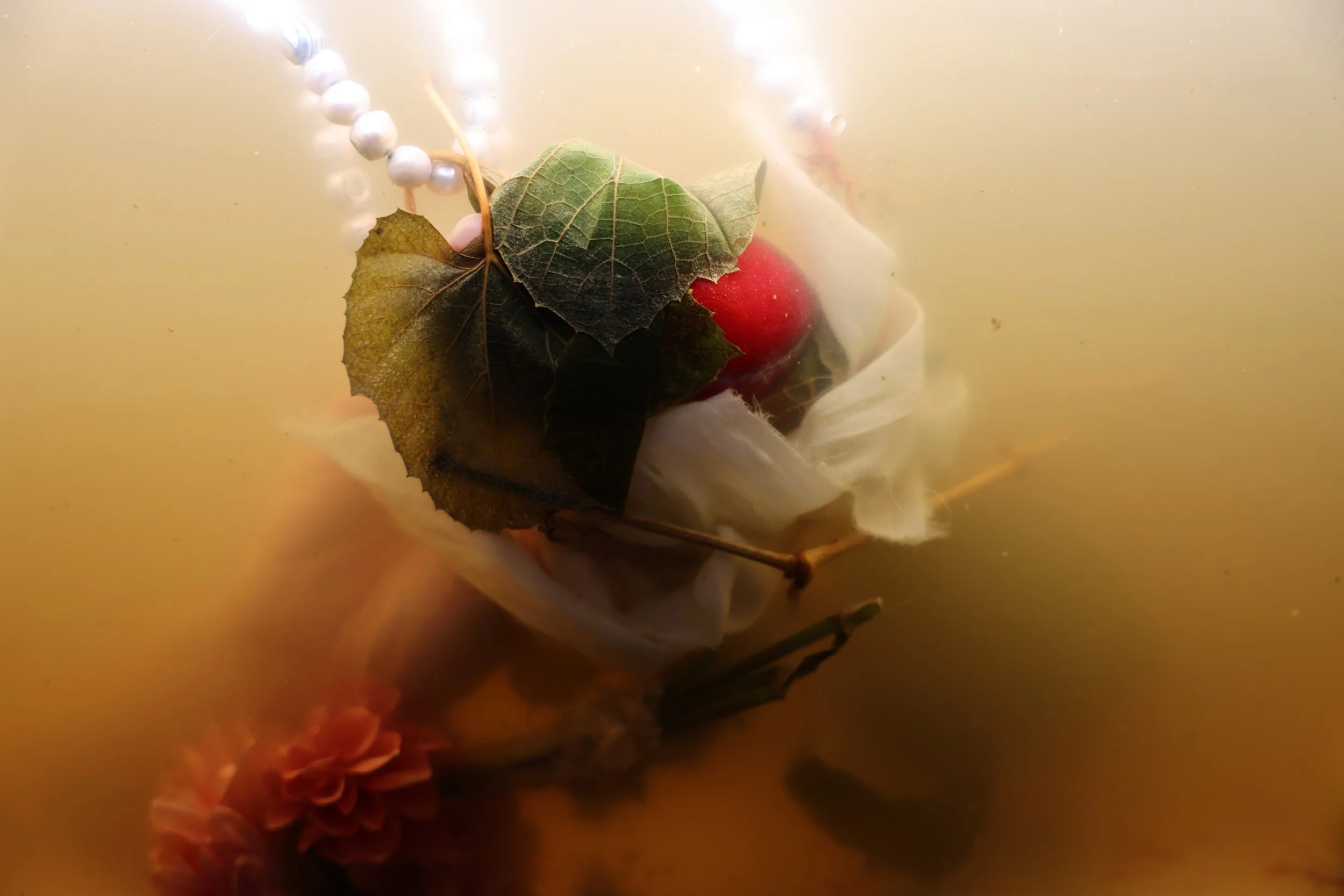
On January 6, 1432, they reached Sandøya in Lofoten, where they sought shelter among wreckage in the cold. After eleven days, they were discovered by a Norwegian fisherman and his sons, who took them to Røst where they were met with exceptional hospitality. Querini was deeply moved by what he experienced and later described Røst -society as believing, honest and warm people – a society characterized by trust and community. On Røst He stayed for several months before traveling south again via Trondheim, Bergen and back to Venice. His account provides a unique insight into life in northern Norway in the 15th century and reminds us that hospitality can build bridges between people – across languages, faiths and cultures.
Querini's account
Querini's account is a unique documentation of life along the coast of Northern Norway in the 15th century, as experienced and written down by the Venetian nobleman Pietro Querini. Through his descriptions we gain a rare insight into the daily lives of the people on the coast, life at sea and the encounter between different cultures.
Querini documented the entire journey – from the departure in Crete, through the shipwreck and the stay on Røst , to the return to Venice. The account exists in two manuscript copies: one in the Biblioteca Apostolica in the Vatican in Rome, and one in the Biblioteca Marciana in Venice. In addition, there is a separate account written by the ship's officer, preserved in the Biblioteca Nazionale in Florence.
These texts are of great historical importance. They not only provide insight into European seafaring and northern Norwegian coastal culture, but are also among the earliest written sources describing life in Norway from a foreign perspective. The account has therefore been important for historians, linguists and cultural researchers who wish to understand the interaction between trade, geography and human relations in the late Middle Ages.
As a literary document, Querini's account is both a travelogue, a survival story, and a testimony to human contact across borders. It reads today as a timeless tale of encounters between cultures – and of how hospitality and community can arise in the most unexpected circumstances. Over the centuries, the story of Querini's journey has been translated and published many times in different versions. It has been translated into modern Italian, French, and Norwegian.
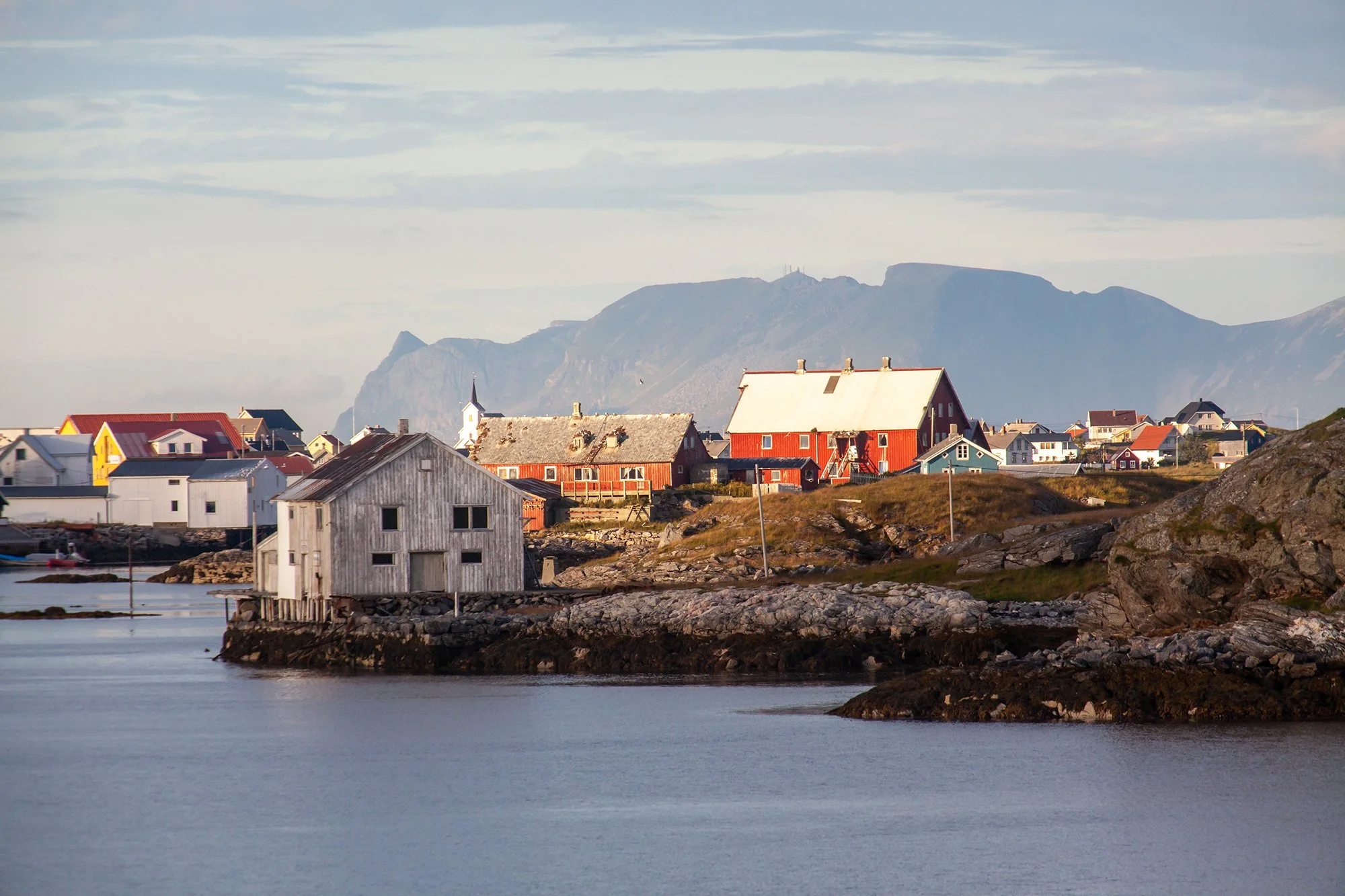


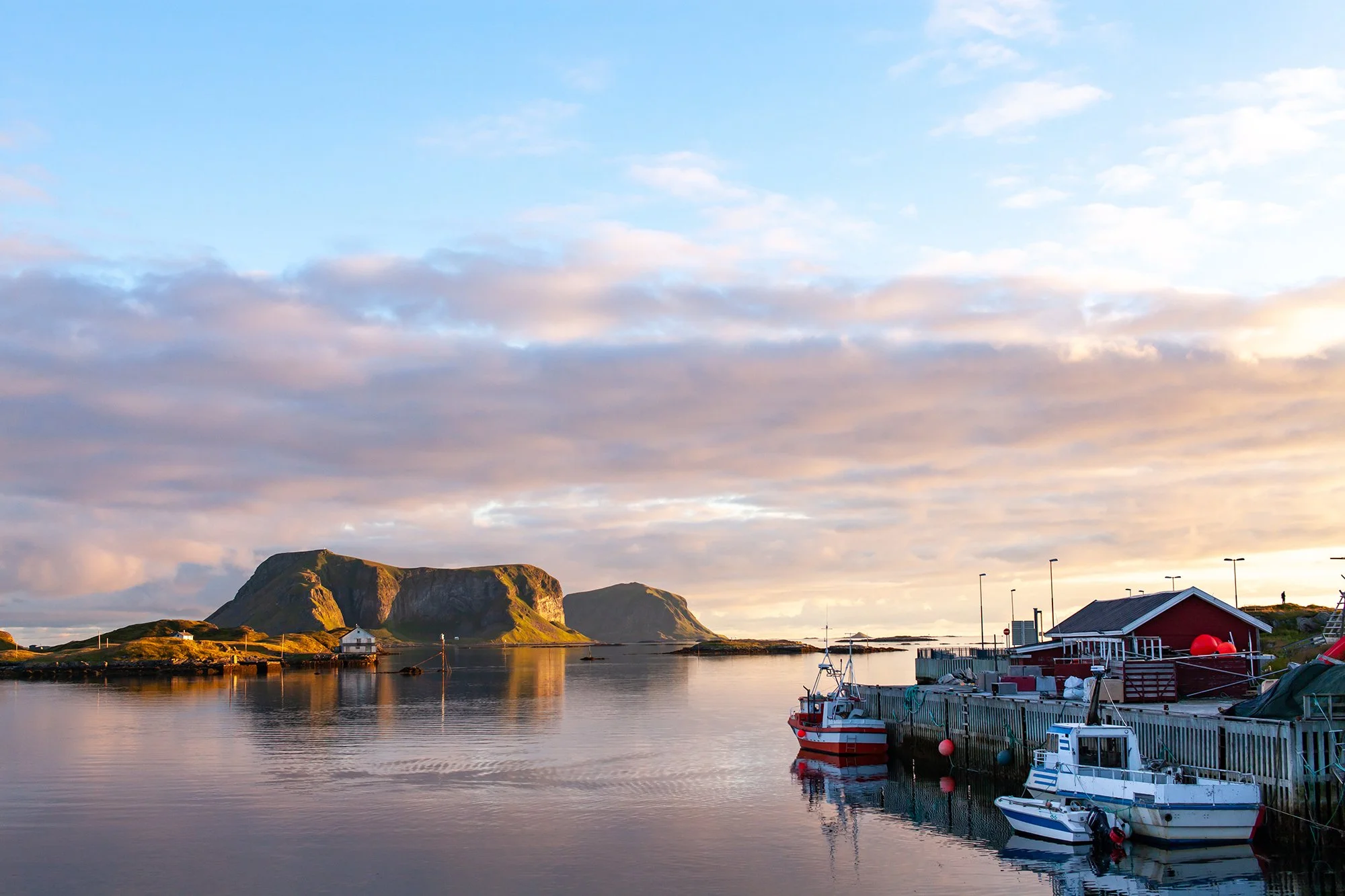
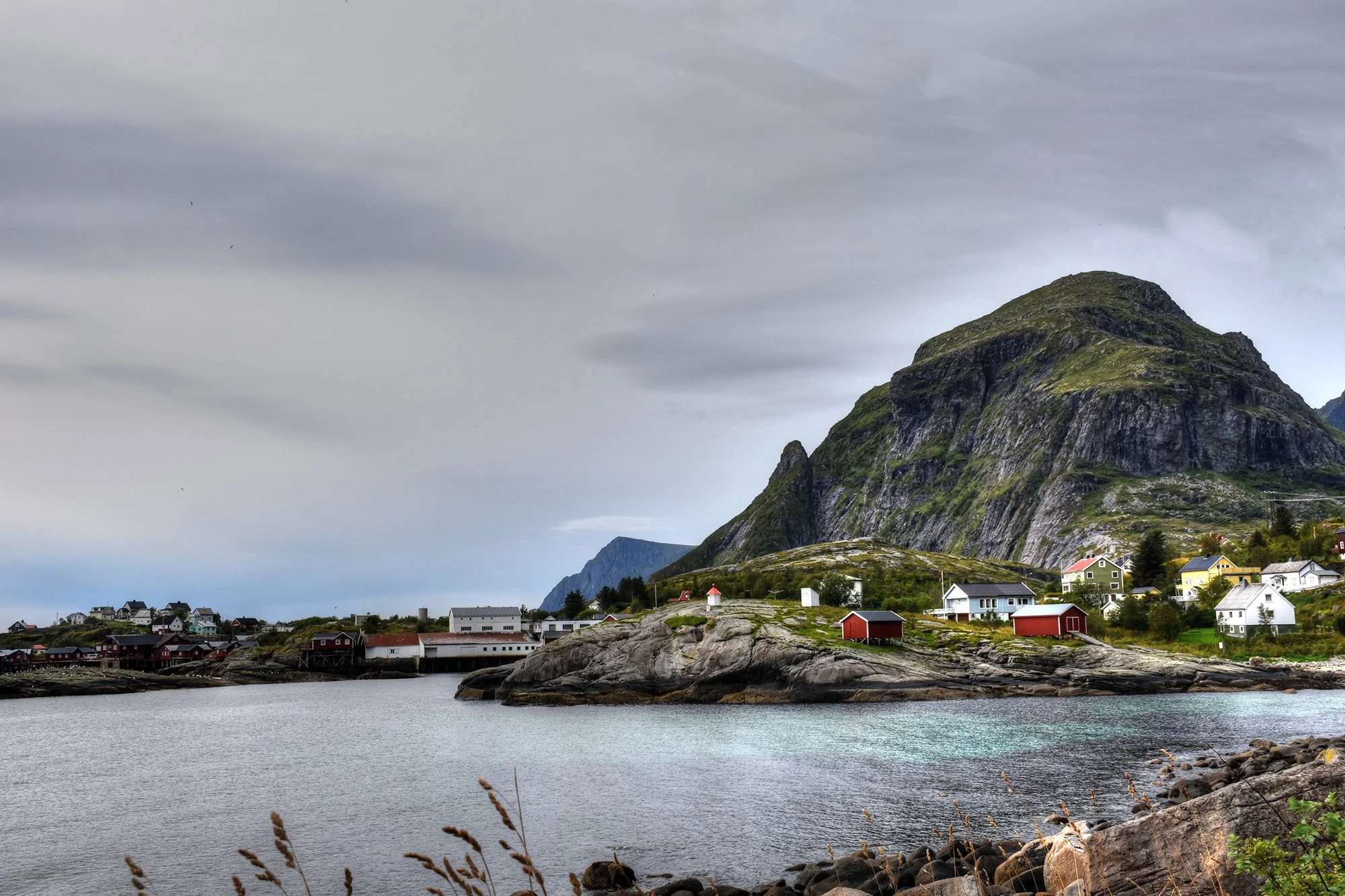
The journey of Pietro Querini is well documented, primarily through his own account and the report of the ship's officer who accompanied him. In addition, there are several other sources and visual representations that strengthen and spread knowledge about the journey. After returning to Venice, Querini had to present his story to the Senate, and this documentation became very important – not only as a personal testimony, but also as a source of geographical and cultural insight.
In the 15th century, Venice was a leading European center for mapmaking. The information Querini brought back from northern Norway was therefore used and referenced in several cartographic works and visual representations. This shows how his journey was preserved not only as a text, but also as part of the visual and geographical understanding of the world of the time.
Among the most famous maps and illustrations that refer to Querini and Røst is:
• Sala dello Scudo in the Palazzo Ducale in Venice, where Querini's journey is illustrated as part of Venice's maritime history.
• Fra Mauro's Mappamundi (c. 1450), one of the most detailed world maps of the Middle Ages, which includes references to northern areas and shows how knowledge from Querini's voyage was integrated into cartography.
• Carta Marina by Olaus Magnus (1539), a richly illustrated map of the Nordic countries, in which Røst and the importance of stockfish is clearly highlighted – a link that can be traced back to Querini's account.
These sources show how Querini's journey had an impact far beyond his own time. It helped expand knowledge about Northern Europe and became part of the visual and cultural narrative of connections between the South and the North.